Château des Barres Estate in the Yonne department, in Bourgogne-Franche-Comté
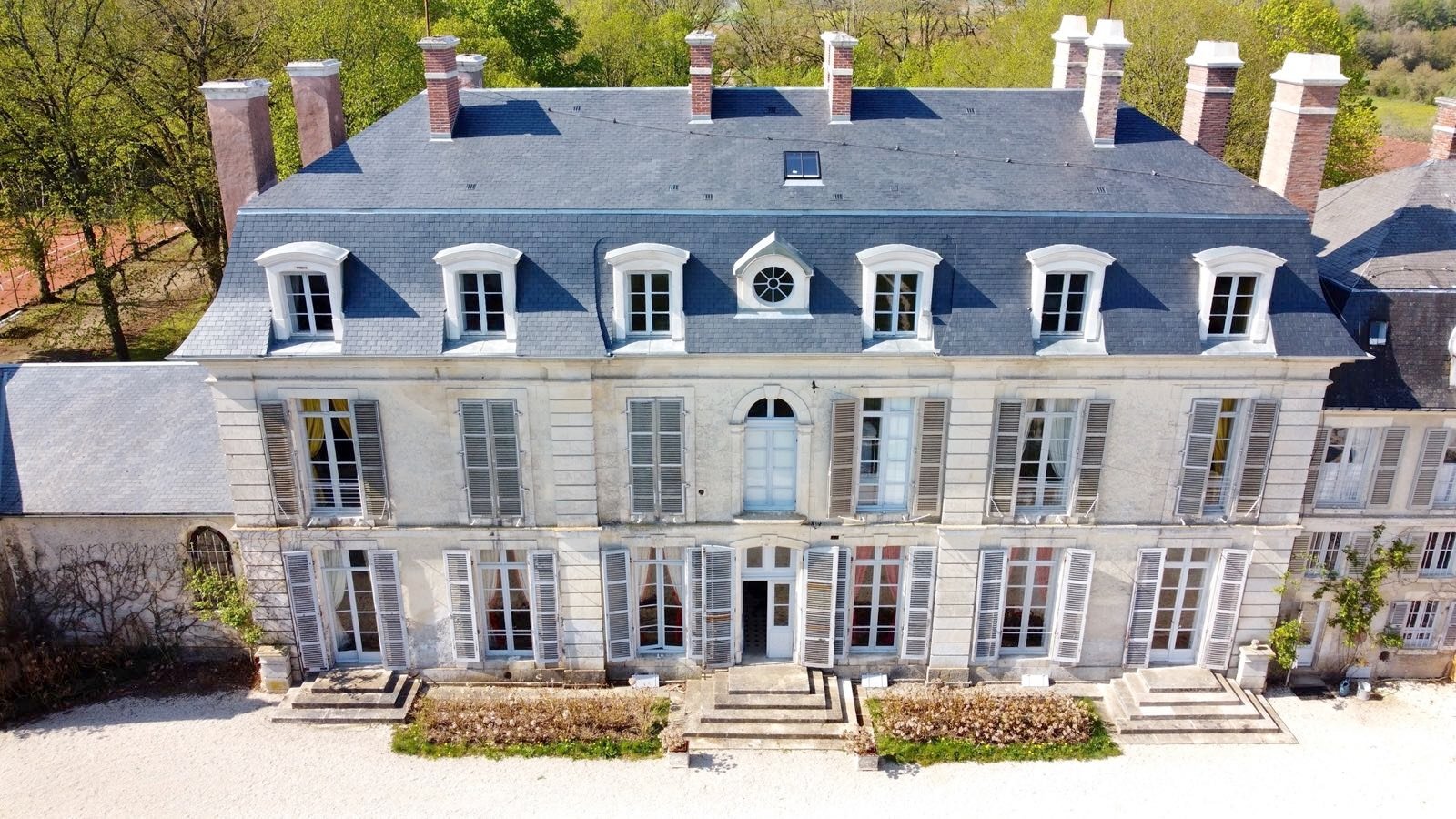
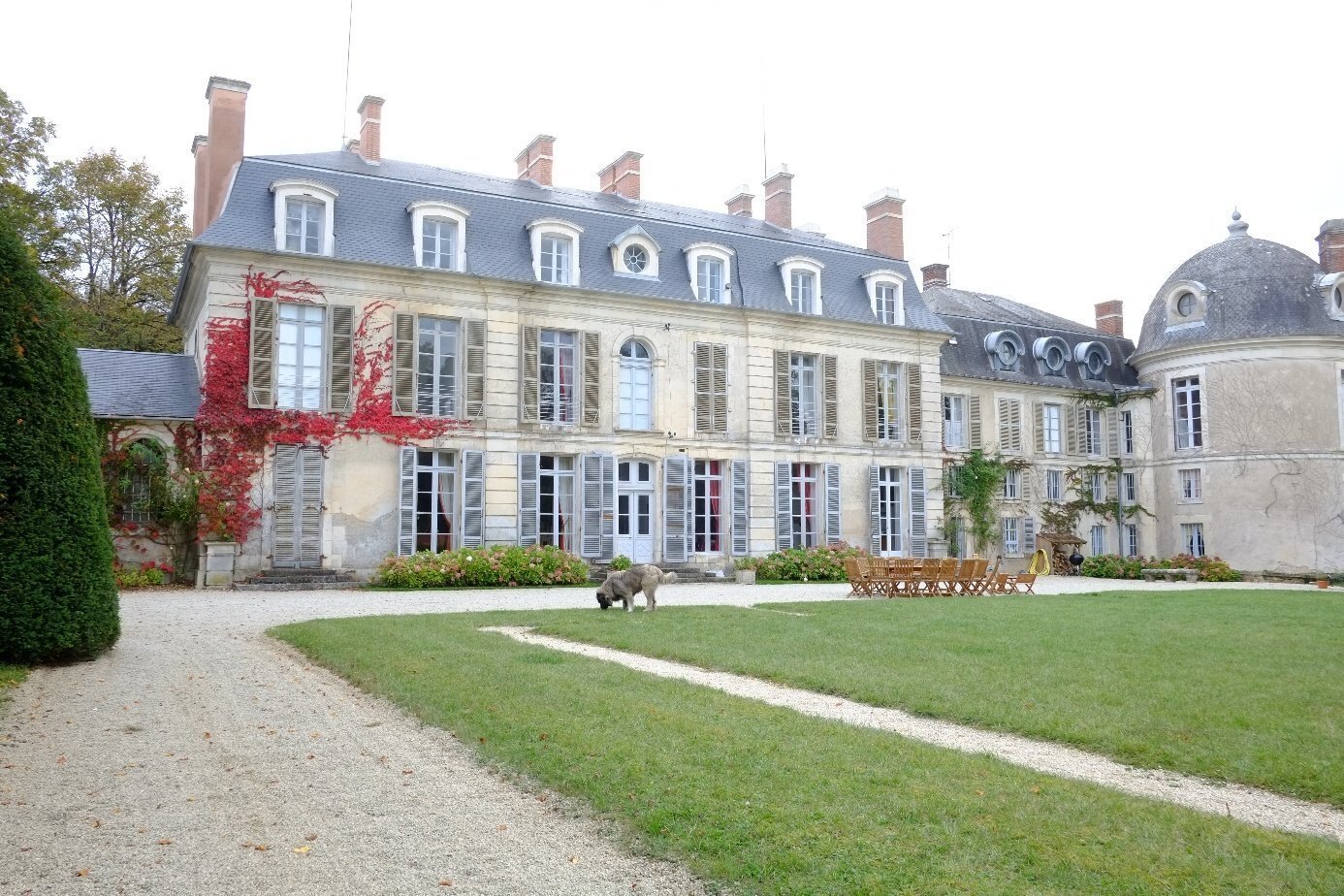
The Castle
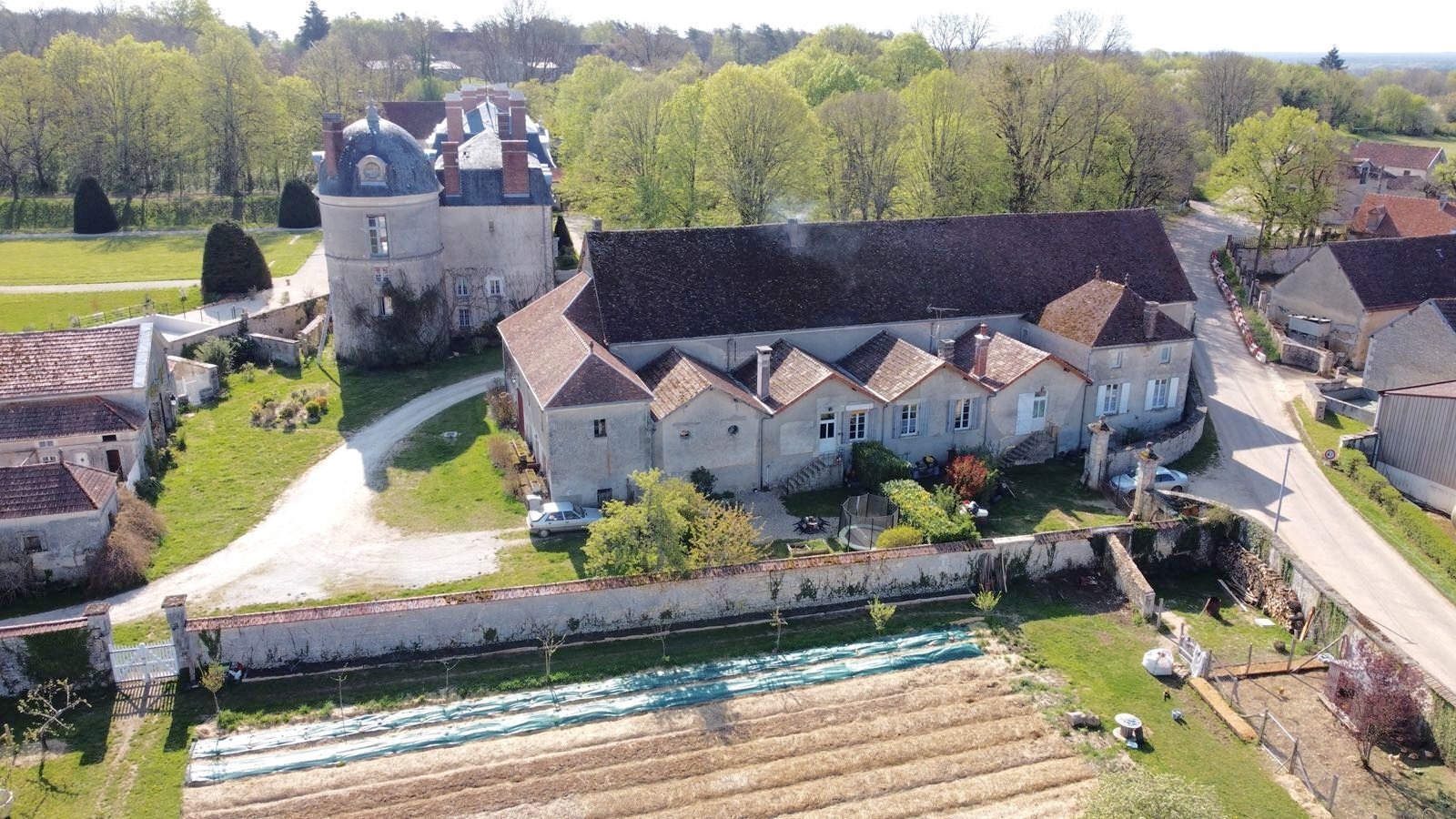
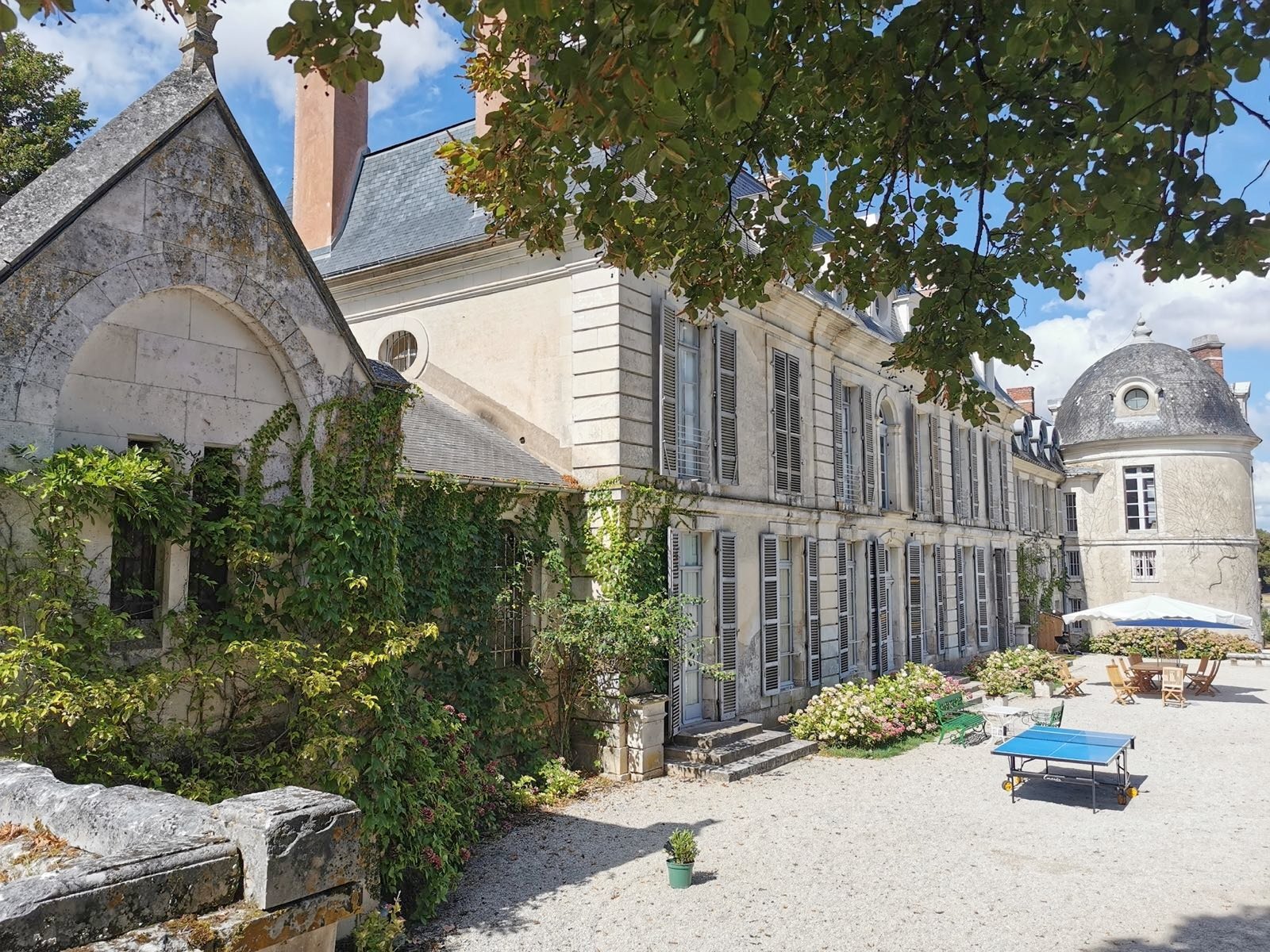
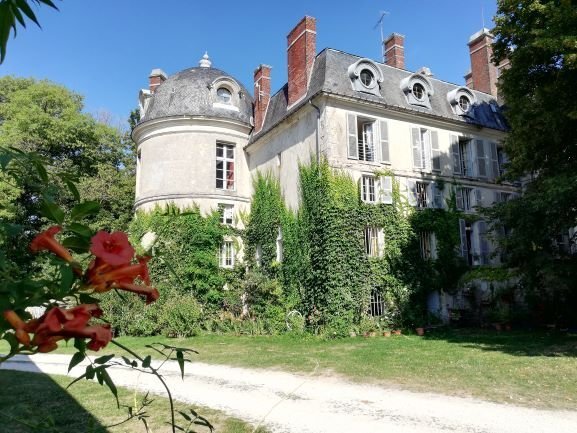
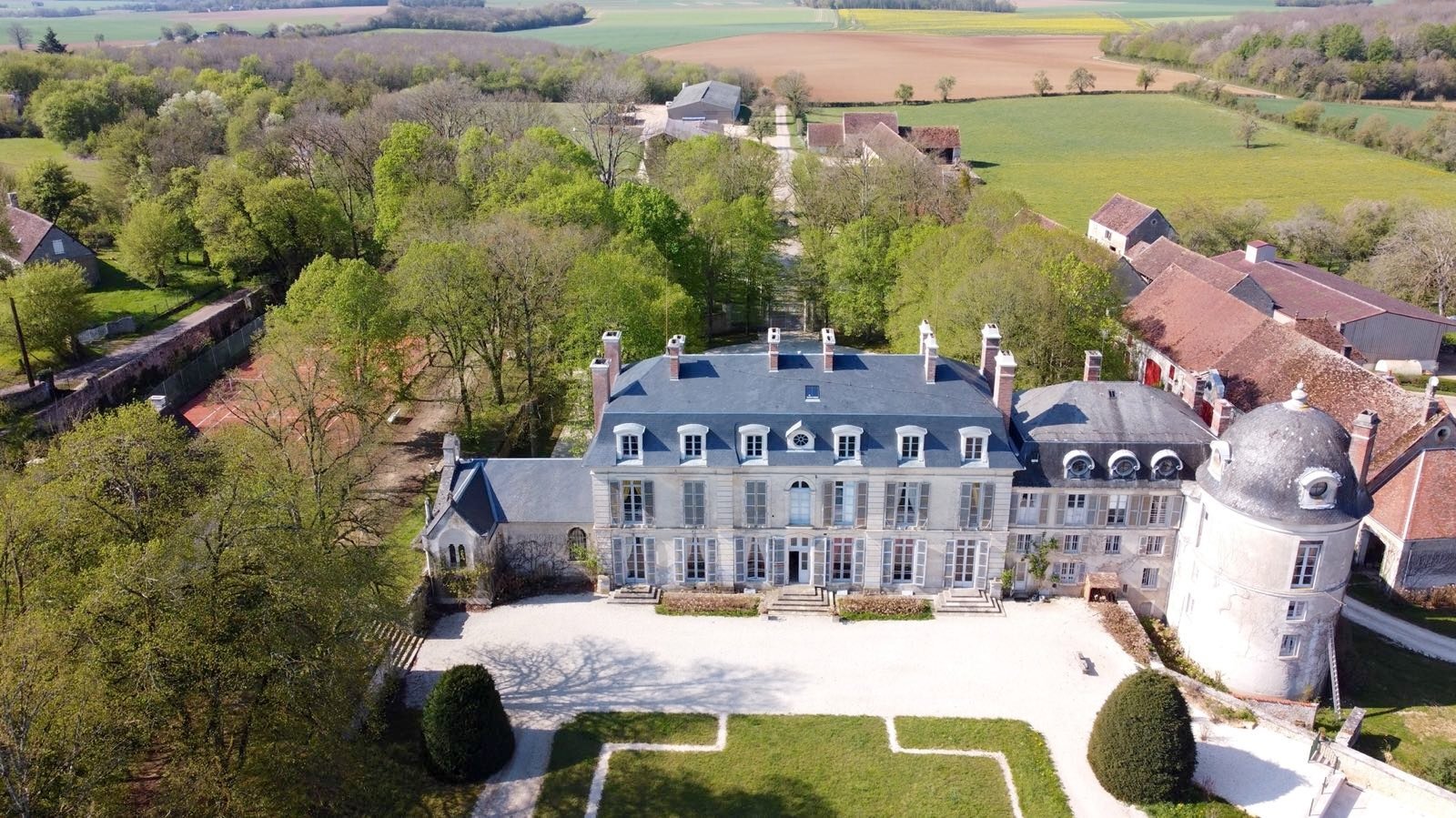
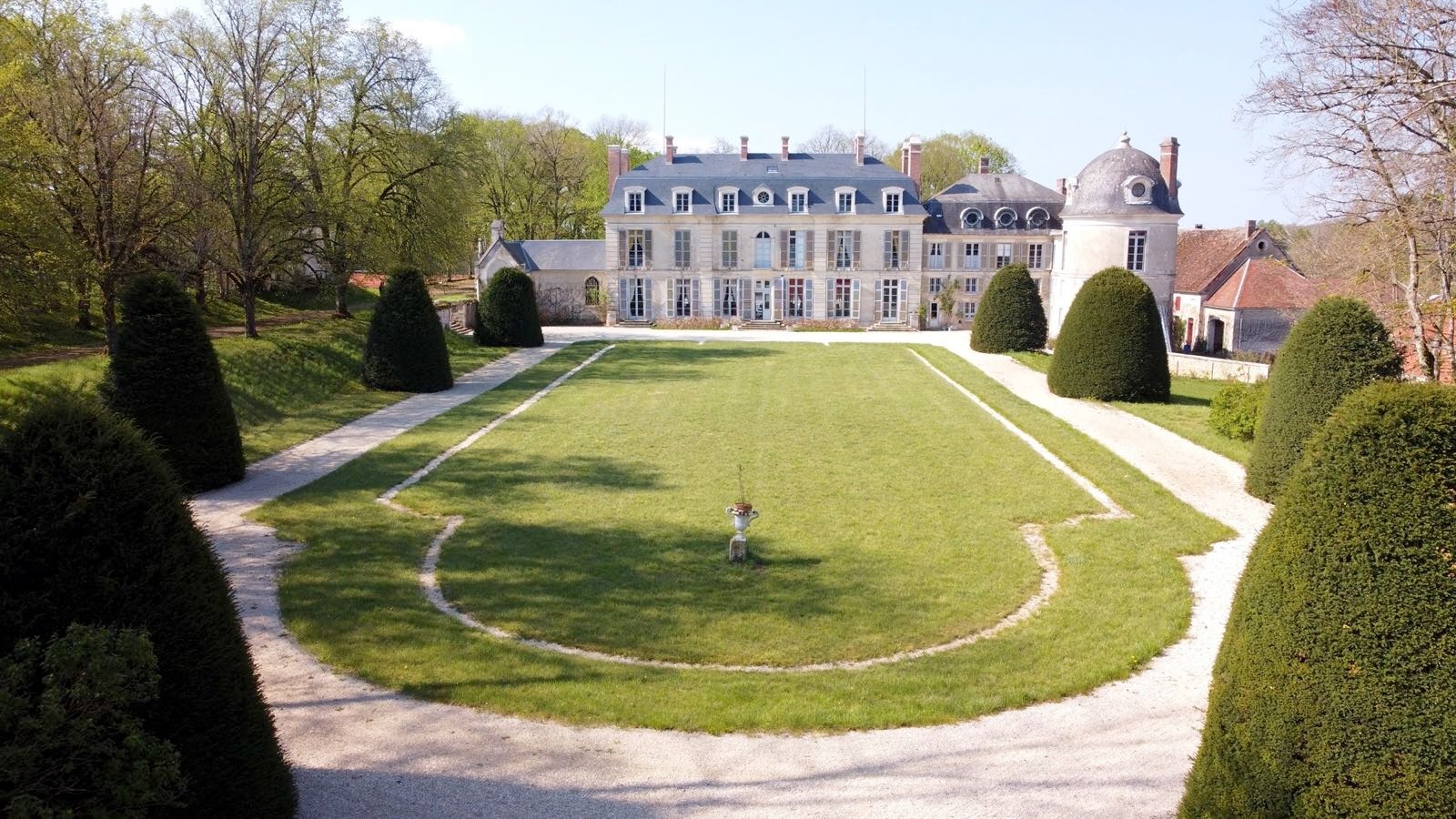
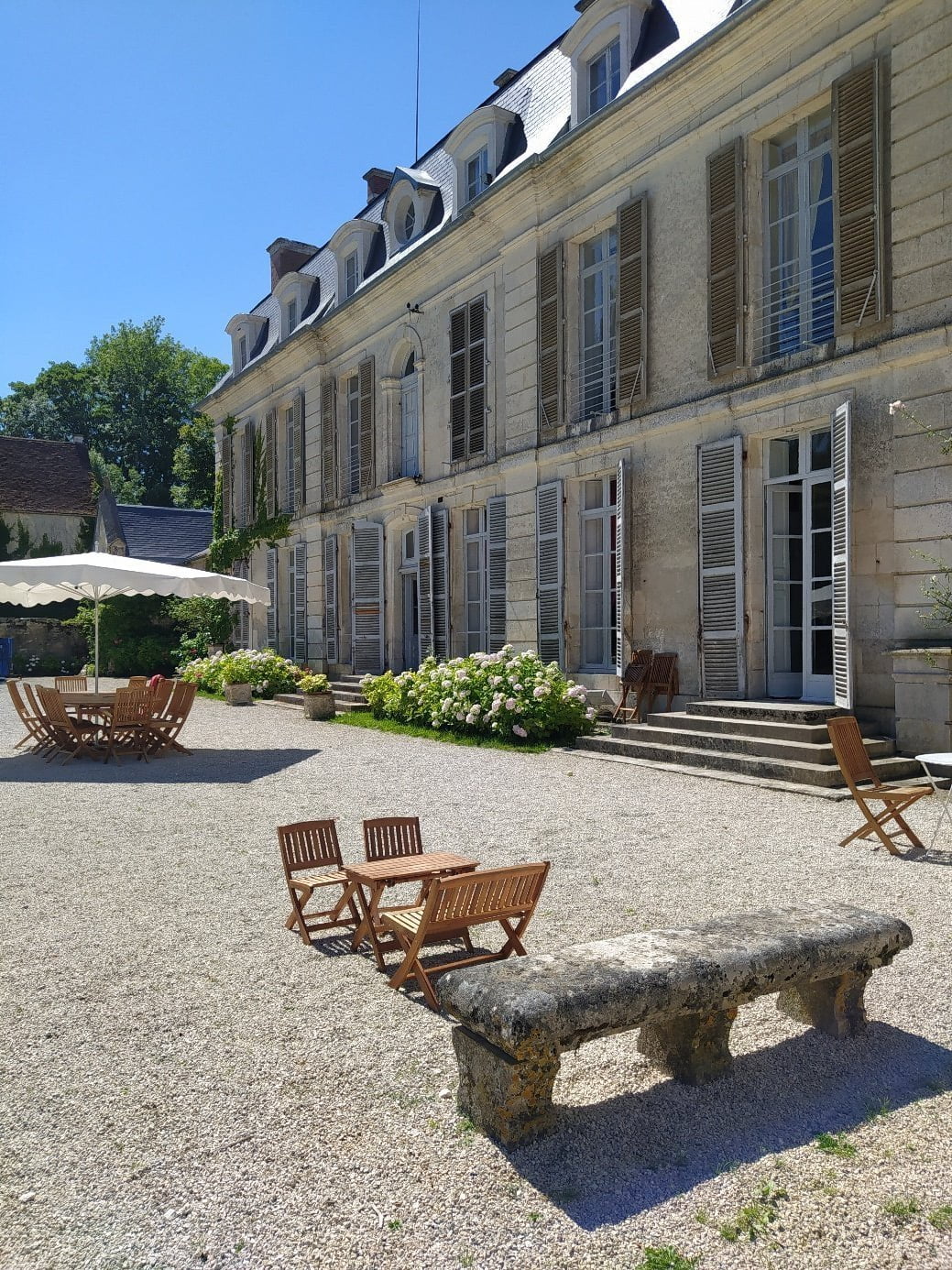
The castle was built on the site of a former manor mentioned in Cassini’s surveys, located between the villages of Sainpuits and Etais at the foot of Montagne des Alouettes. There are no records of the original building. An inscription on the chapel’s gate mentions the date of construction (1786).
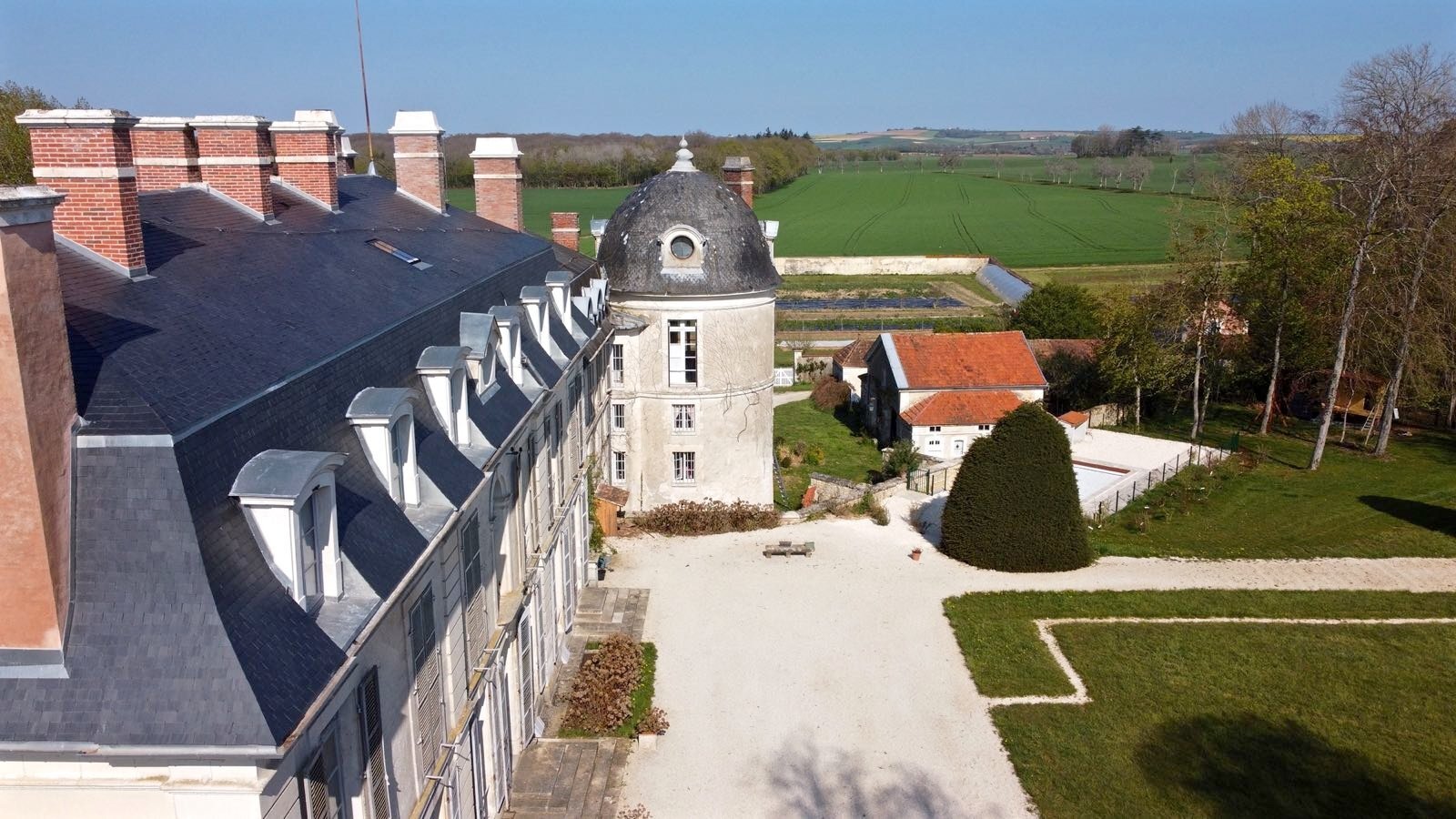
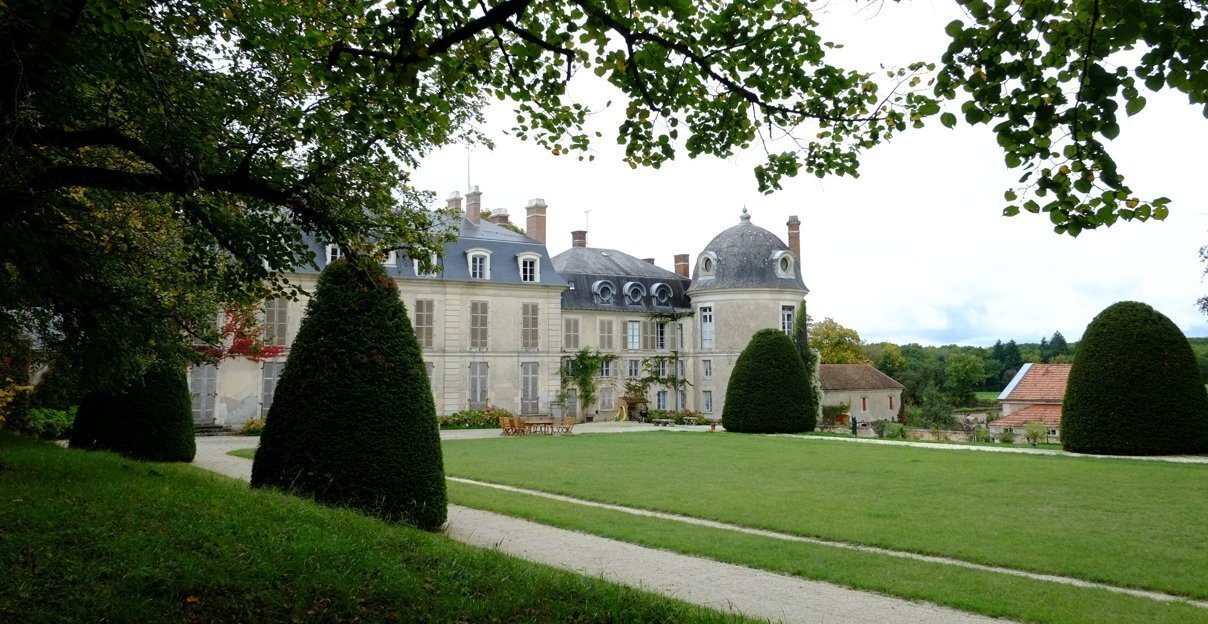
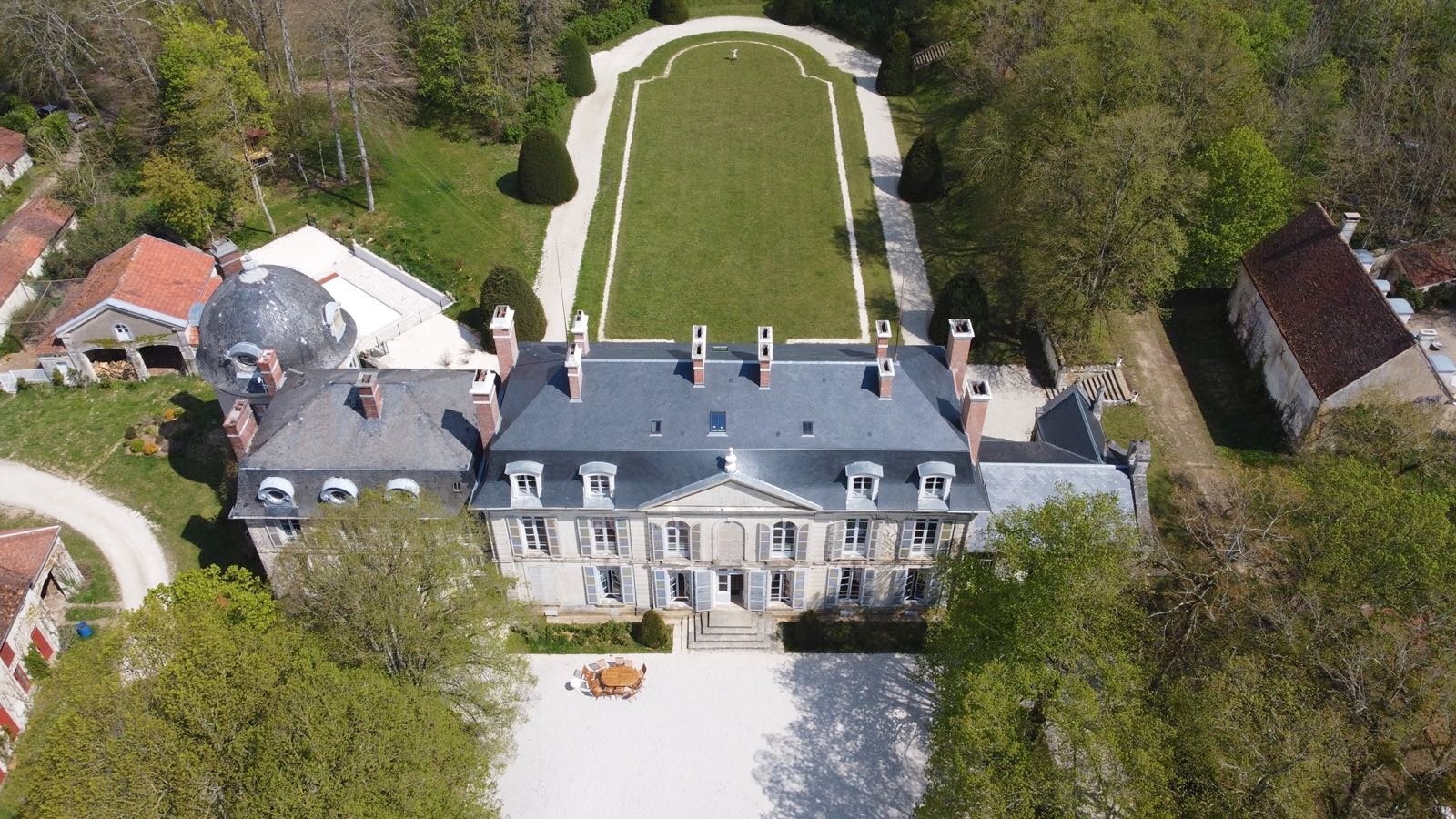
It consists of a large central structure with a chapel, but is separated from the large tower located on the west side, which was likely once a dovecote
If you love the life of a château and want to explore these world-renowned vineyards, let our guide take you on a journey through magnificent wine-growing landscapes, a mosaic of soils, and grape varieties (Sauvignon, Chardonnay, and Pinot Noir) that have earned their reputation over time. This will be your chance to discover hidden gems at family-run estates where the winemaking process will hold no secrets for you! Château des Barres is located halfway between two world-famous appellations: Sancerre in the Centre-Loire region and Chablis in Burgundy.
The Castle Grounds
The original park was designed by Louis Martin Berthault, a protégé of Empress Joséphine and the landscape architect for Malmaison and Compiègne. The beautiful oval paths lead the carriages harmoniously to the Montagne des Alouettes. This is a typical feature of the English Romantic garden, as evidenced by the lovely lawn in the south courtyard.
But the current layout of these elegant vistas adjoining the château is the work of Achille Duchène, the son of Henri, who worked at Vaux-le-Vicomte, Courances, Breteuil, and even Blenheim (Churchill). Two great landscape architects, pioneers of the revival of the French formal garden inspired by Le Nôtre, with numerous projects in France and Europe.
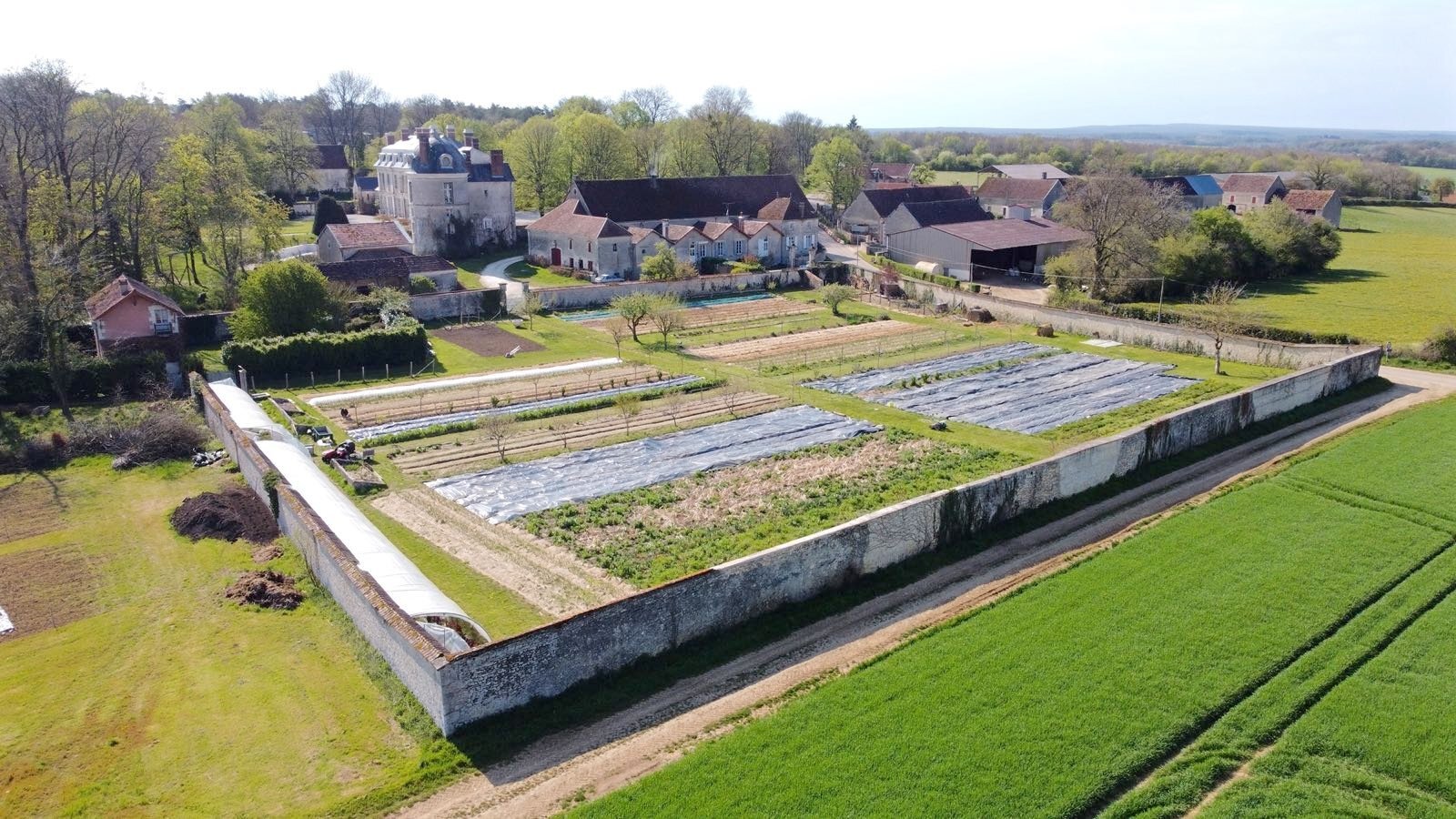
Duchène’s design lined the main courtyard with lime trees, removed its large circular lawn, enclosed the entire complex with a stone wall, and created the terraced promenade—a long path running along the east side of the château, inspired by the Promenade des Feuillants in the Tuileries. The landscaping of the northern slope dates from this period; typical of Duchène’s style, the vast lawn, curved at its end and flanked by side paths, is bordered by yew trees that open up a beautiful view of the Montagne des Alouettes.
The Chapel at Château des Barres in the Yonne
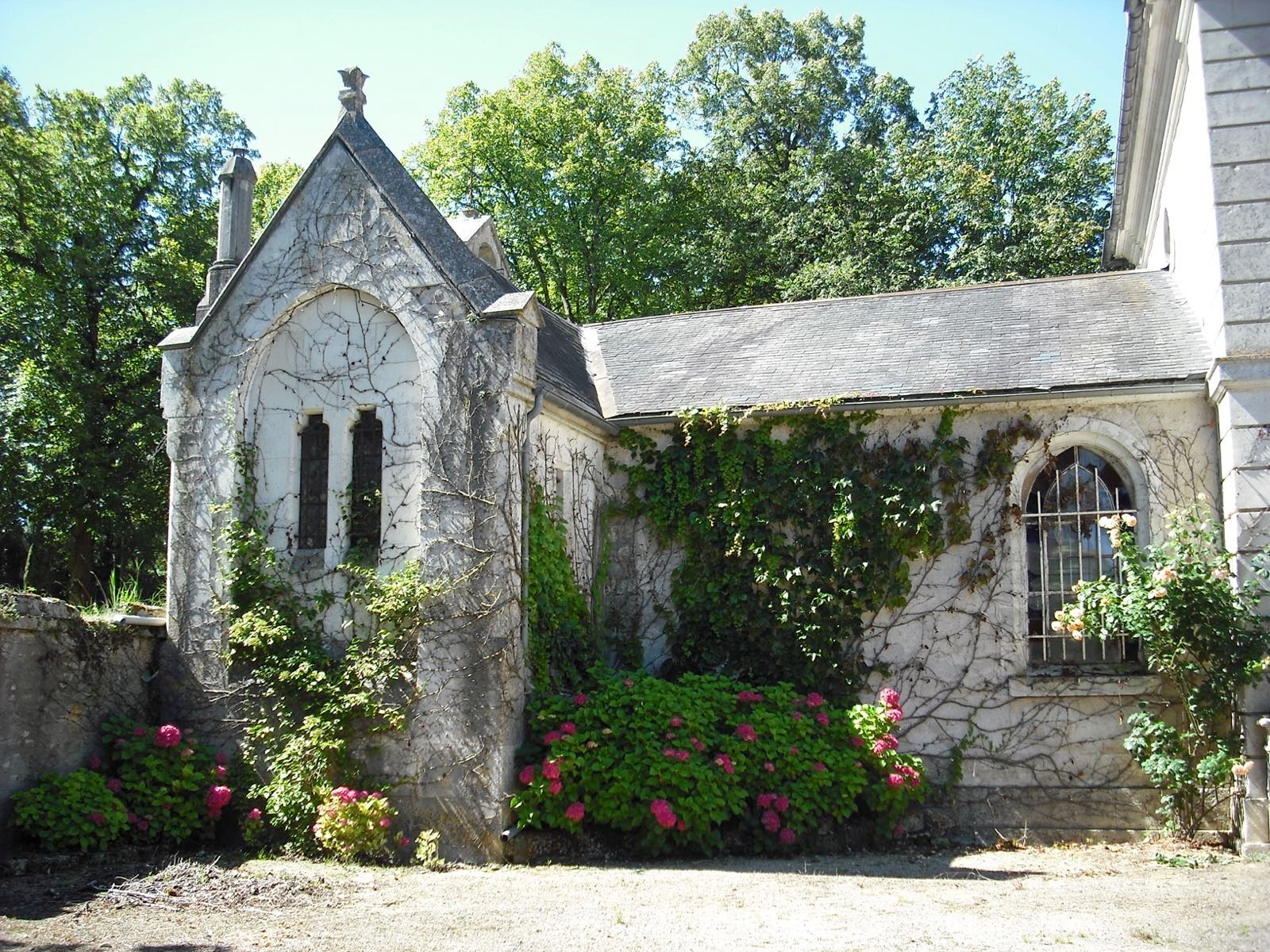
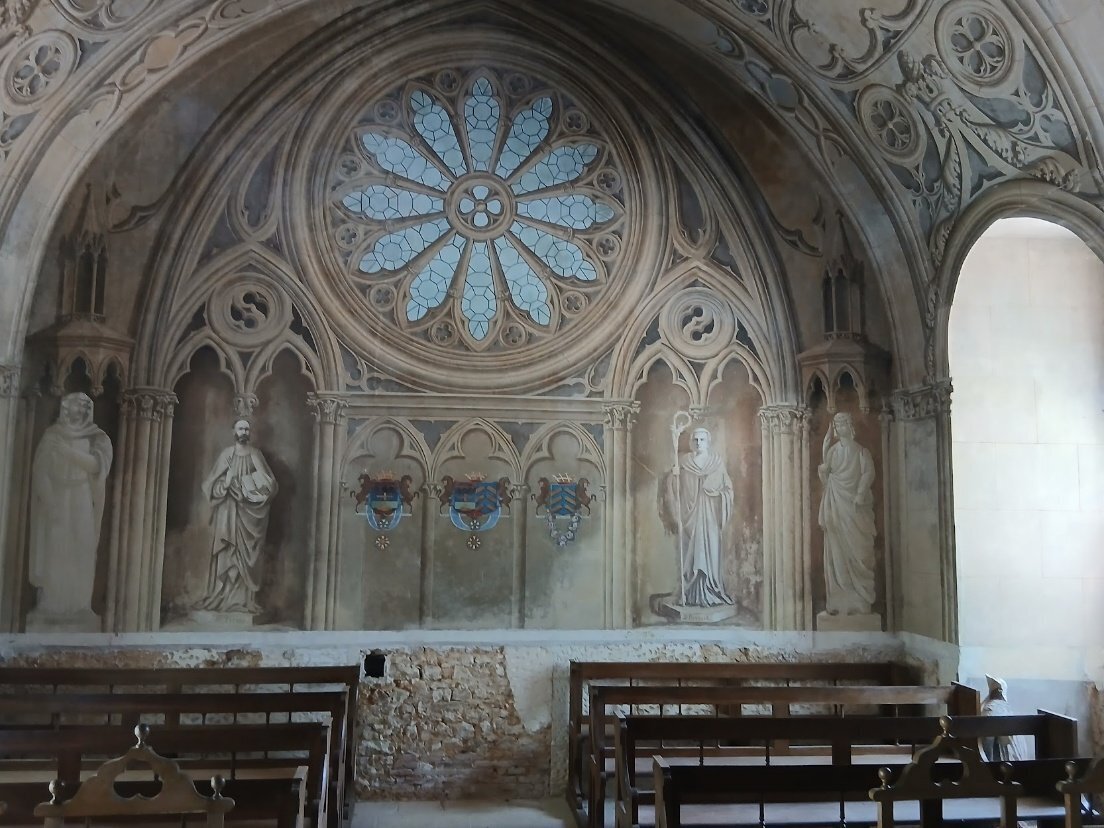
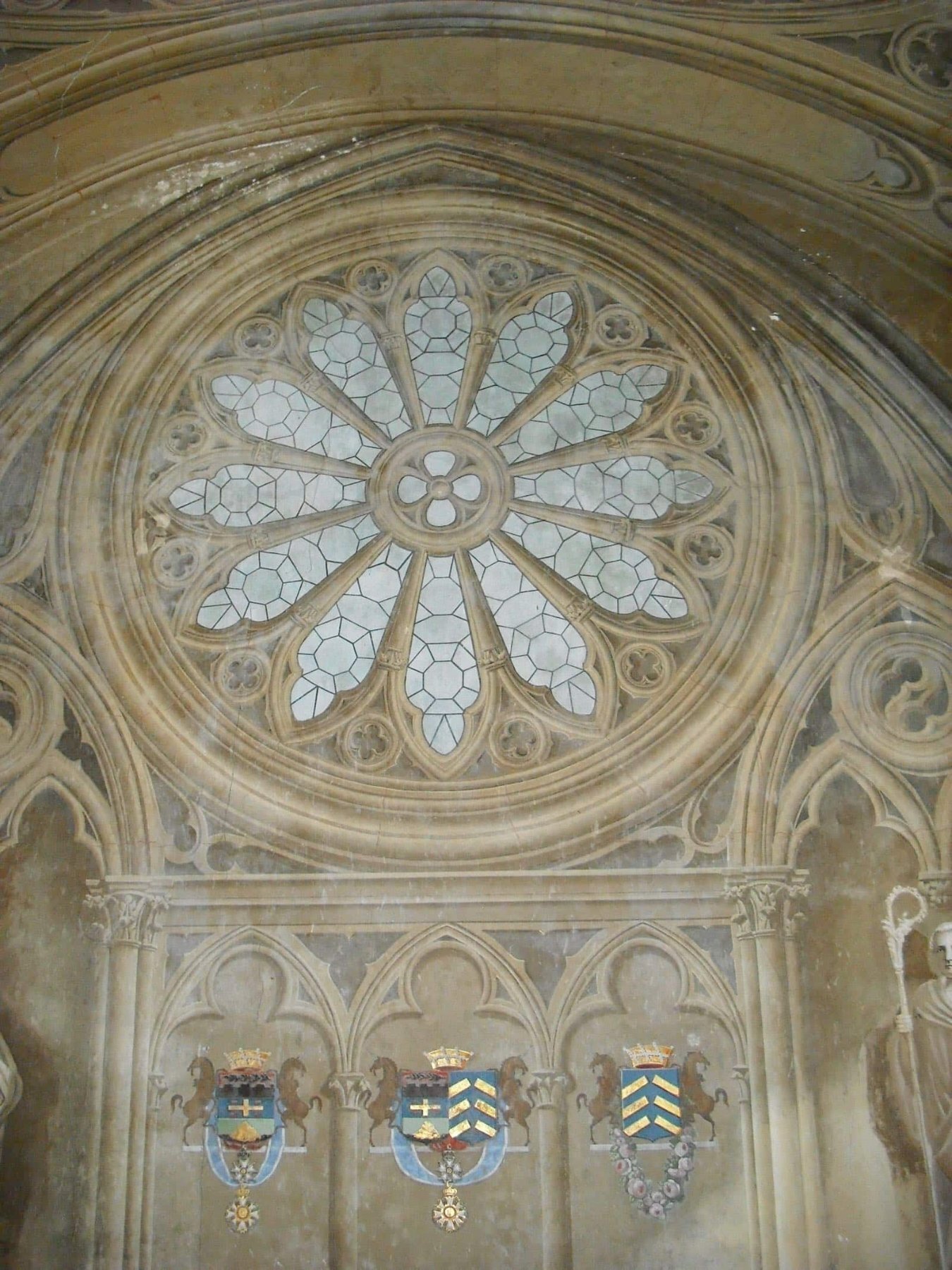
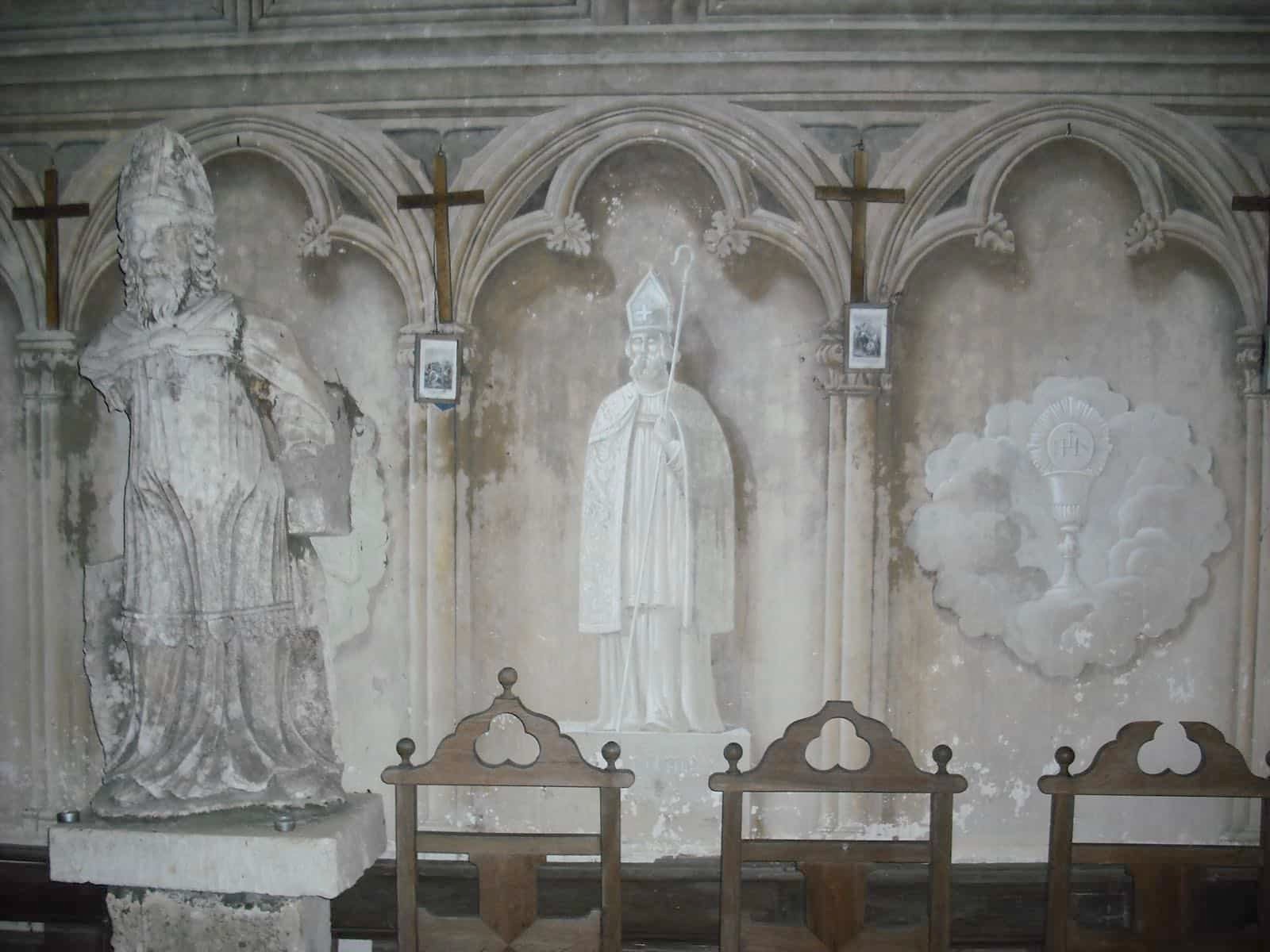
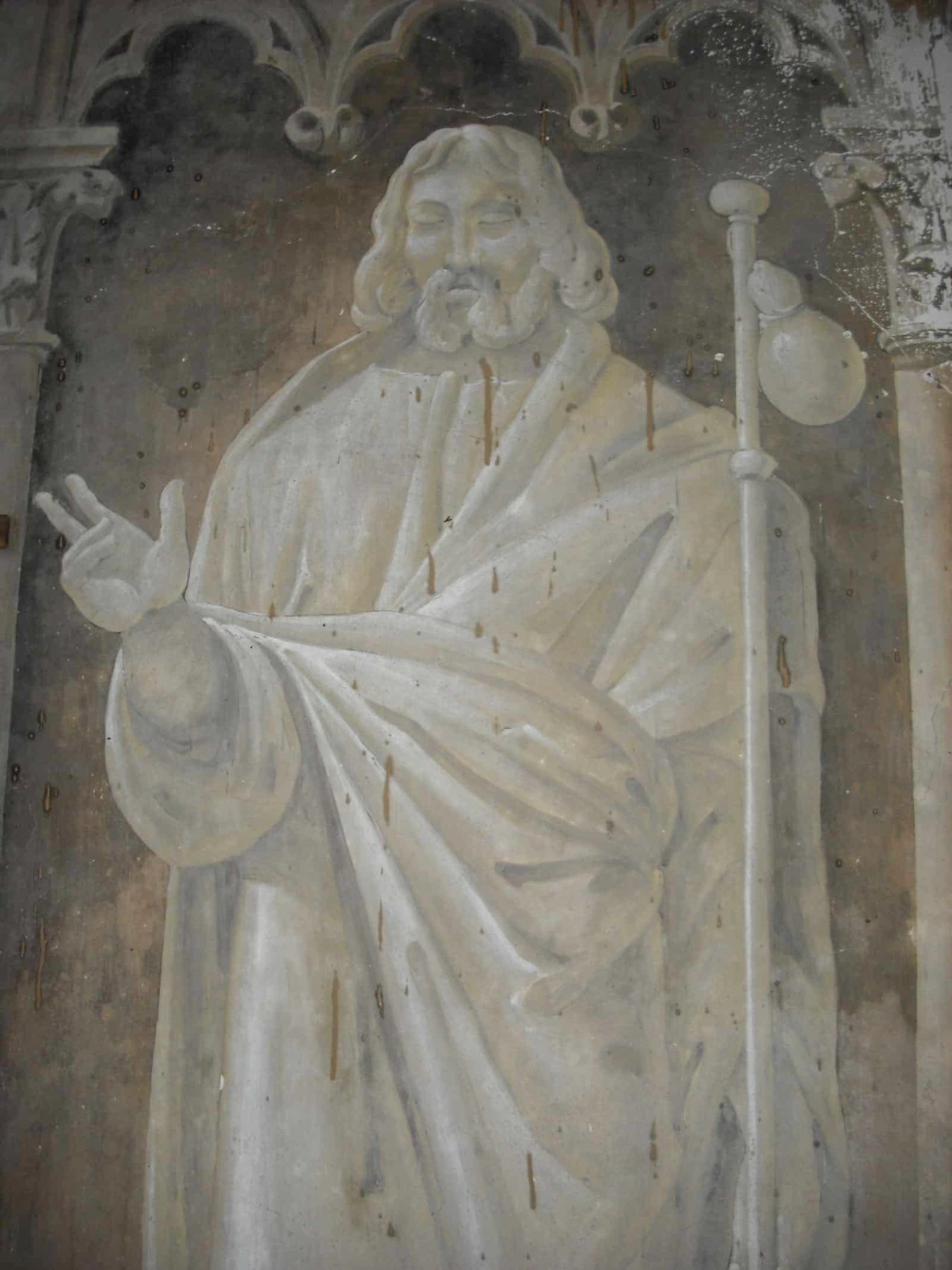
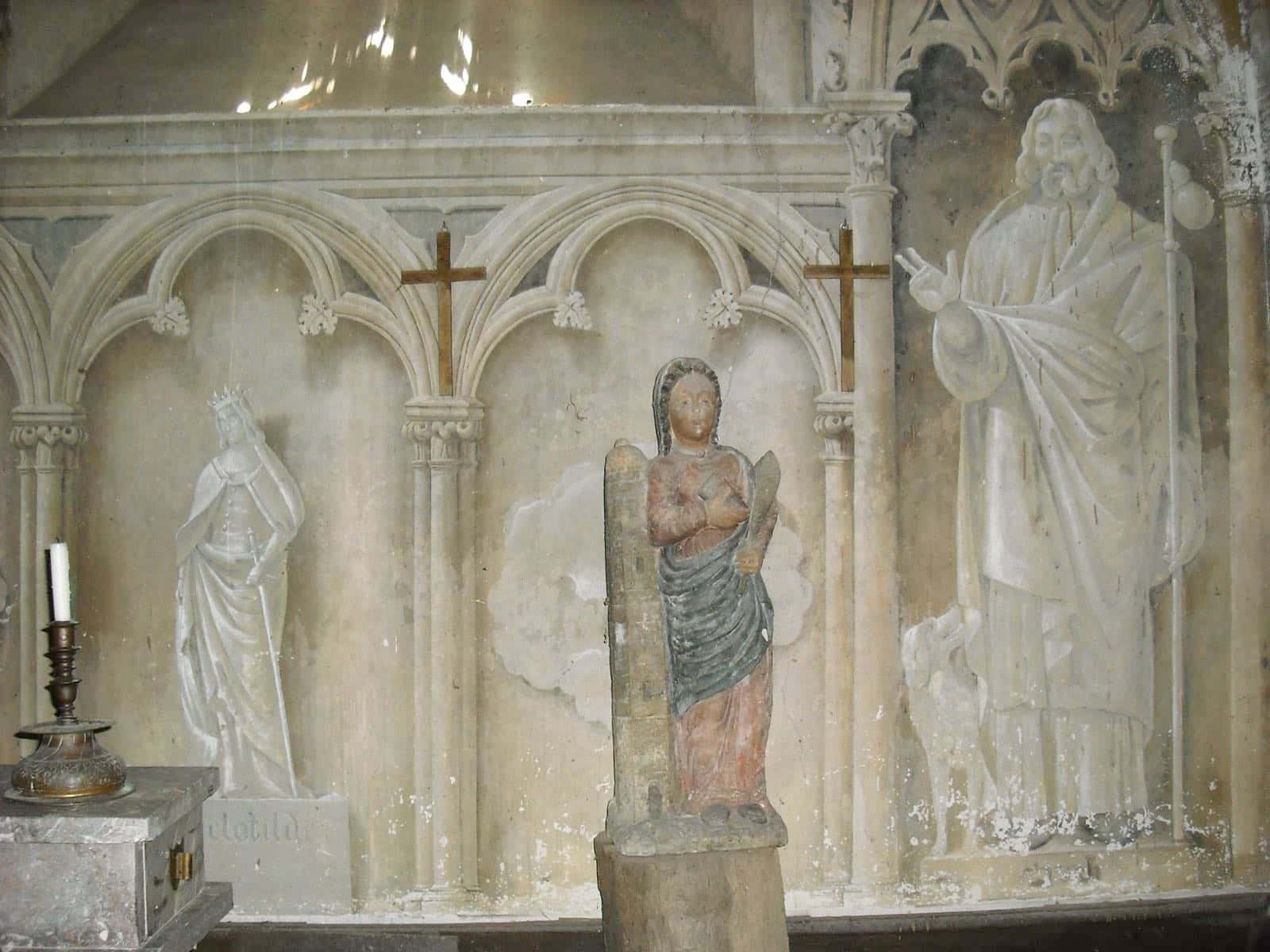
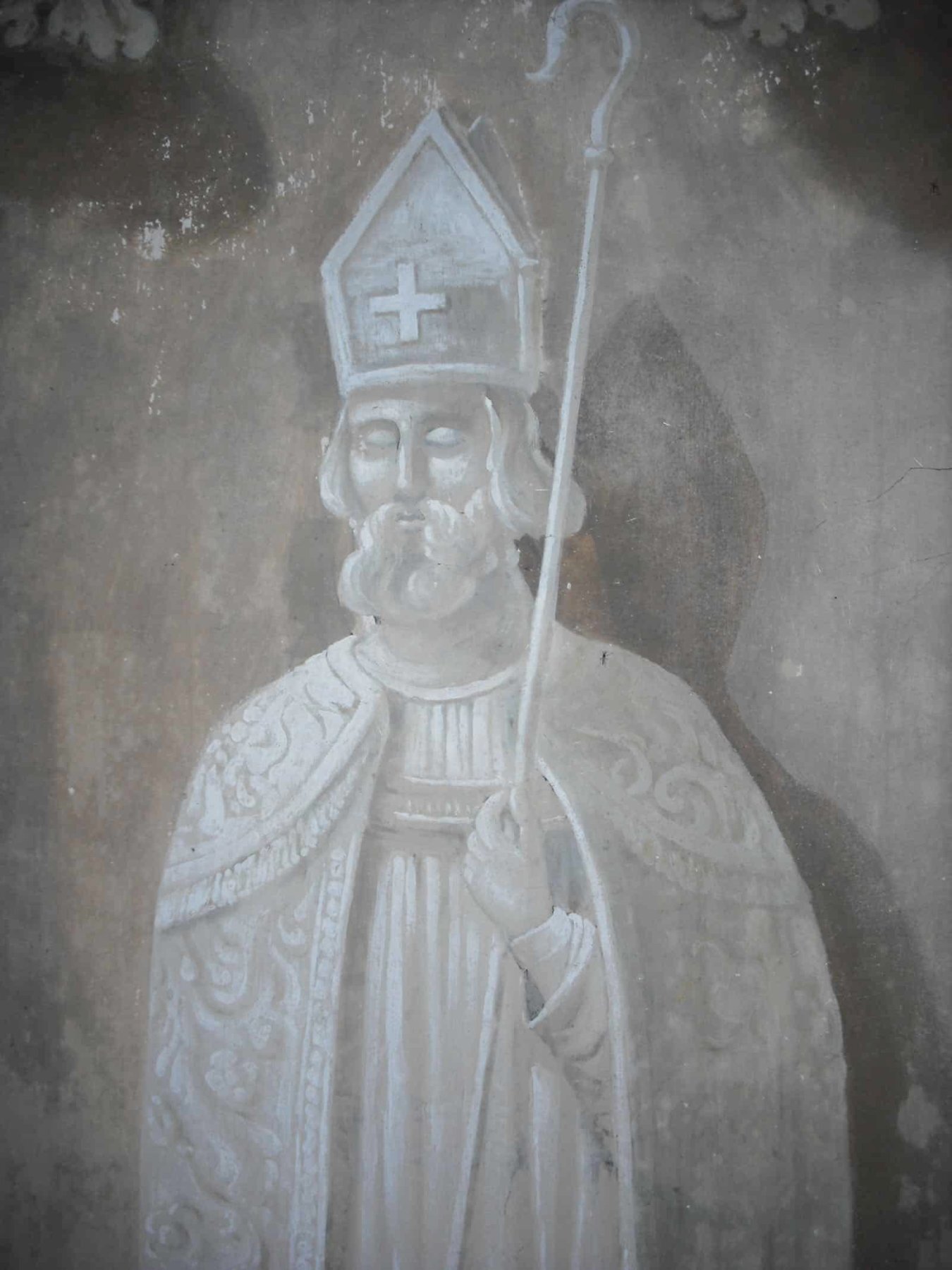
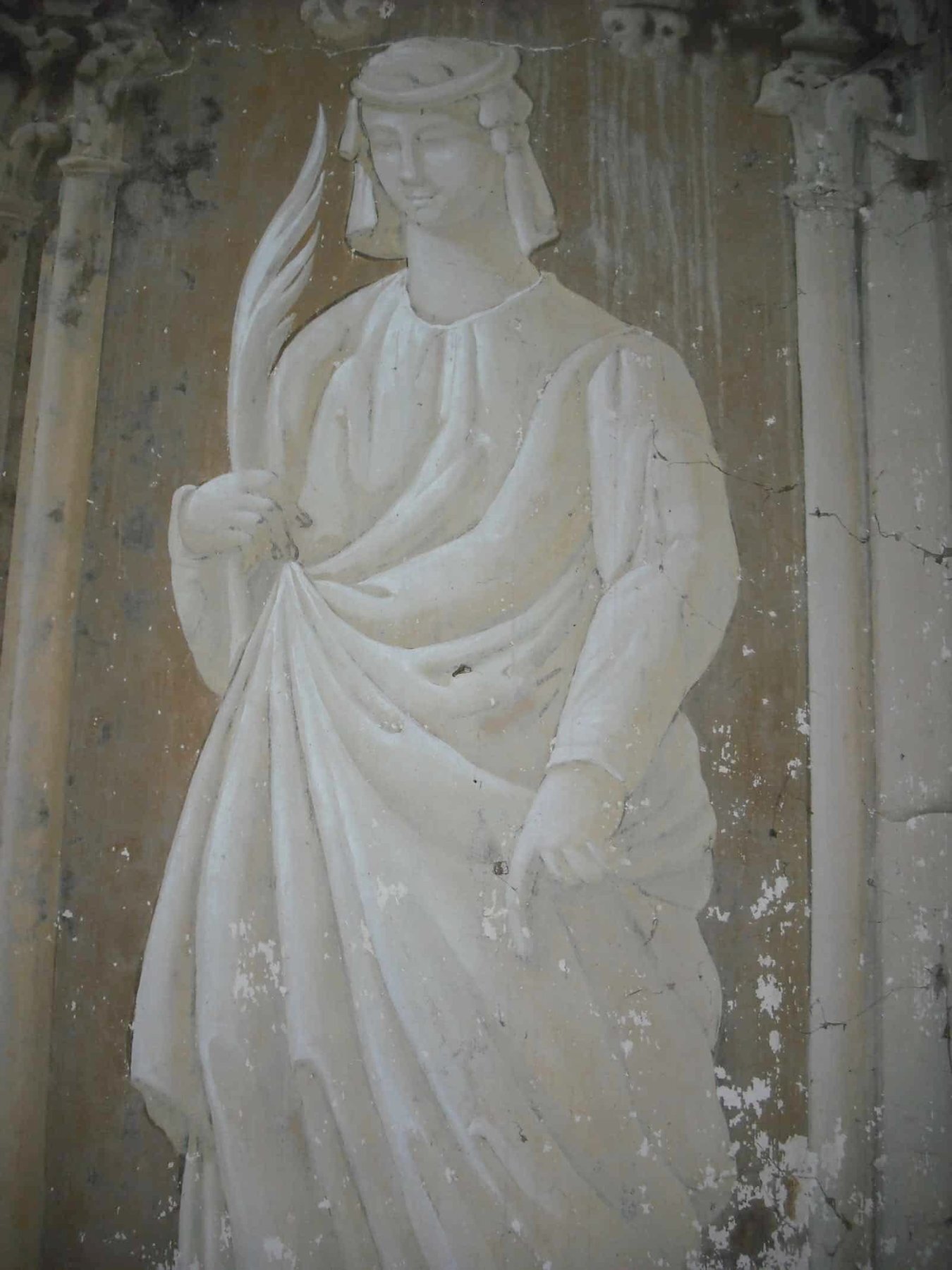
An inscription on the chapel’s portal indicates the building’s date of construction, 1786, in the Neo-Romanesque style, characteristic of the interest in the Middle Ages. Notably, the «Neo-Gothic» style sacristy and the exceptional set of trompe-l’œil paintings that mimic architecture and figures in the round. The vaulted crypt is designed to house burial sites. The design of the chapel was entrusted to Dondaine, the diocesan architect.
Dedicated to Saint Roch, this chapel was once accessible from the reception rooms to facilitate the devotion of the owner of the house. The building features a semicircular vault spanning about ten meters and is pierced on the east side by three oculus windows—one quatrefoil (upper section) and two ovoid oculus windows (lower section)—overlooking the marble inlay altar.
The interior is adorned with remarkable trompe-l’œil architectural decoration, notably trefoil cloister arches overhanging saints with attributes, separated by colonnades topped with Corinthian capitals. A series of moldings and foliage patterns serving as a drip line surmounts the lower section. A triforium encircles the chapel with architectural motifs up to the center of the vault and slopes down on either side, creating an exceptional architectural ensemble.
Trompe-l’œil transverse arches, composed of three rounded arches, visually divide the building into bays adorned with interlaced patterns, ovals, trefoils, quatrefoils, festoons, and gables. The richly detailed and beautifully crafted decoration is in fair condition.
These trompe-l’œil paintings are similar to those found in Chambéry Cathedral and Hautecombe Abbey. Indeed, the faux architecture was created using stencils, whose patterns could be easily repeated. The trompe-l’œil paintings rely on lighting that accentuates the relief of the faux stonework. The lines marking the placement of the patterns are still visible. This technique was popular among Italian painters, who were highly prized for their skill in rendering the architecture of religious buildings. More expansive and elaborate, the motifs in Chambéry Cathedral are better suited to the scale and grandeur of the space; the motifs at Les Barres are more understated and less sophisticated, befitting a family chapel.
The names of the painters Vacca and Viccario, known for their trompe-l’œil architecture, have been suggested, but without any confirmation, given the absence of signatures, estimates, or invoices that would attest to the work of these masters of trompe-l’œil. As heads of major workshops, these artists are well represented in churches throughout northern Italy and Savoy.
The Castle's Vegetable Garden
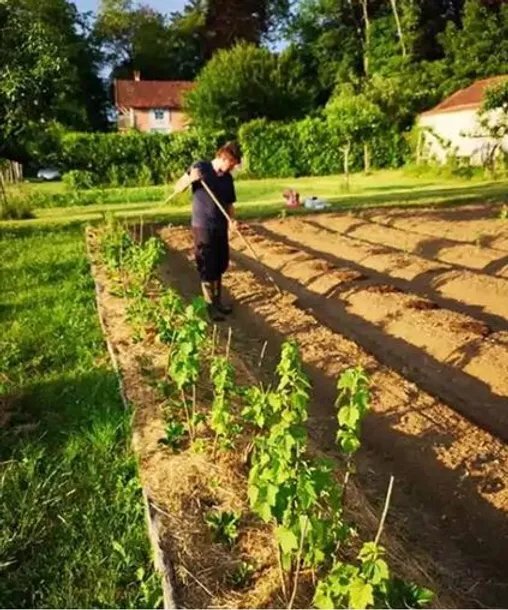
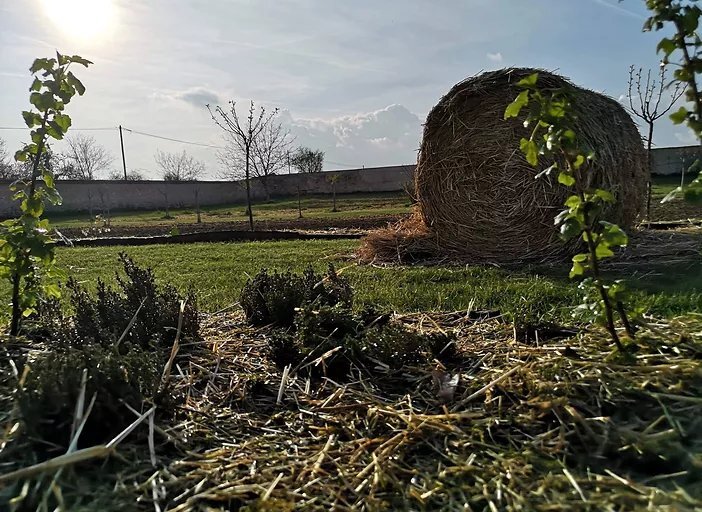
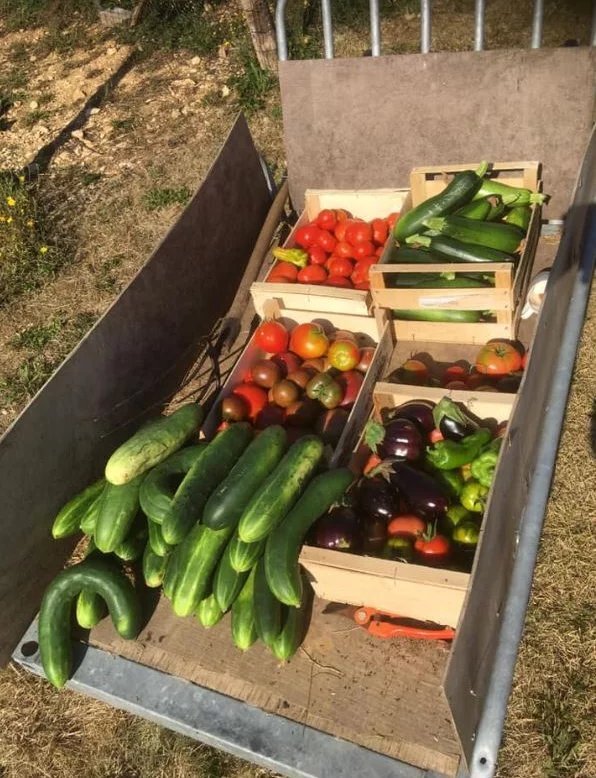
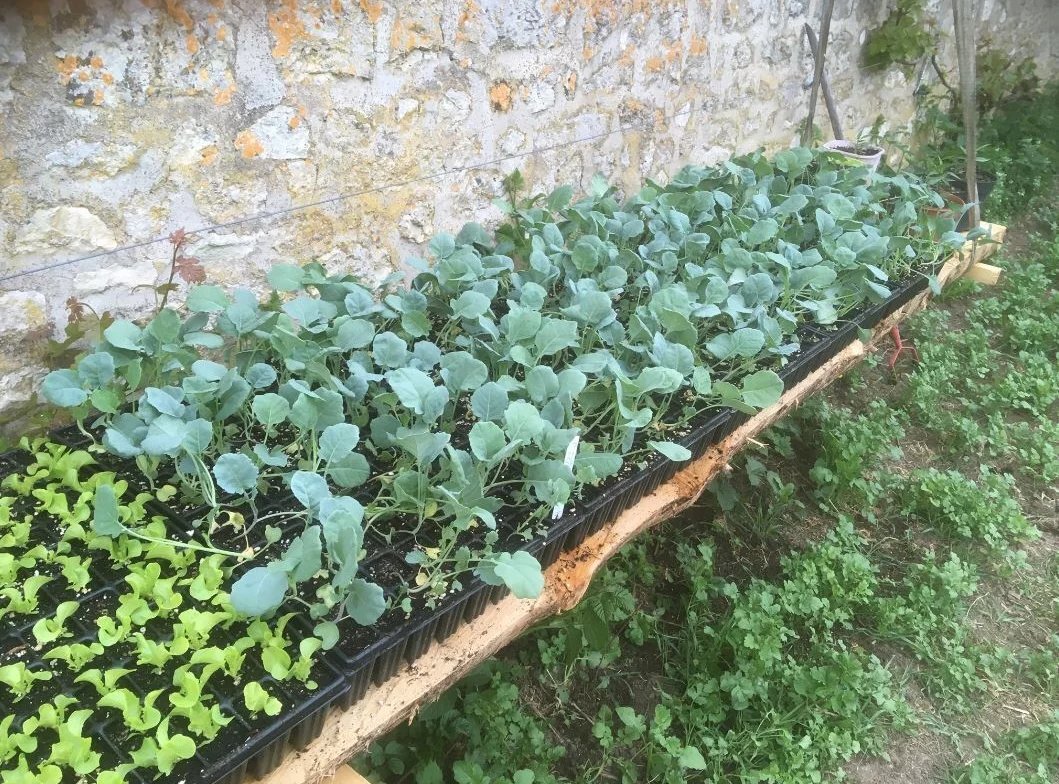
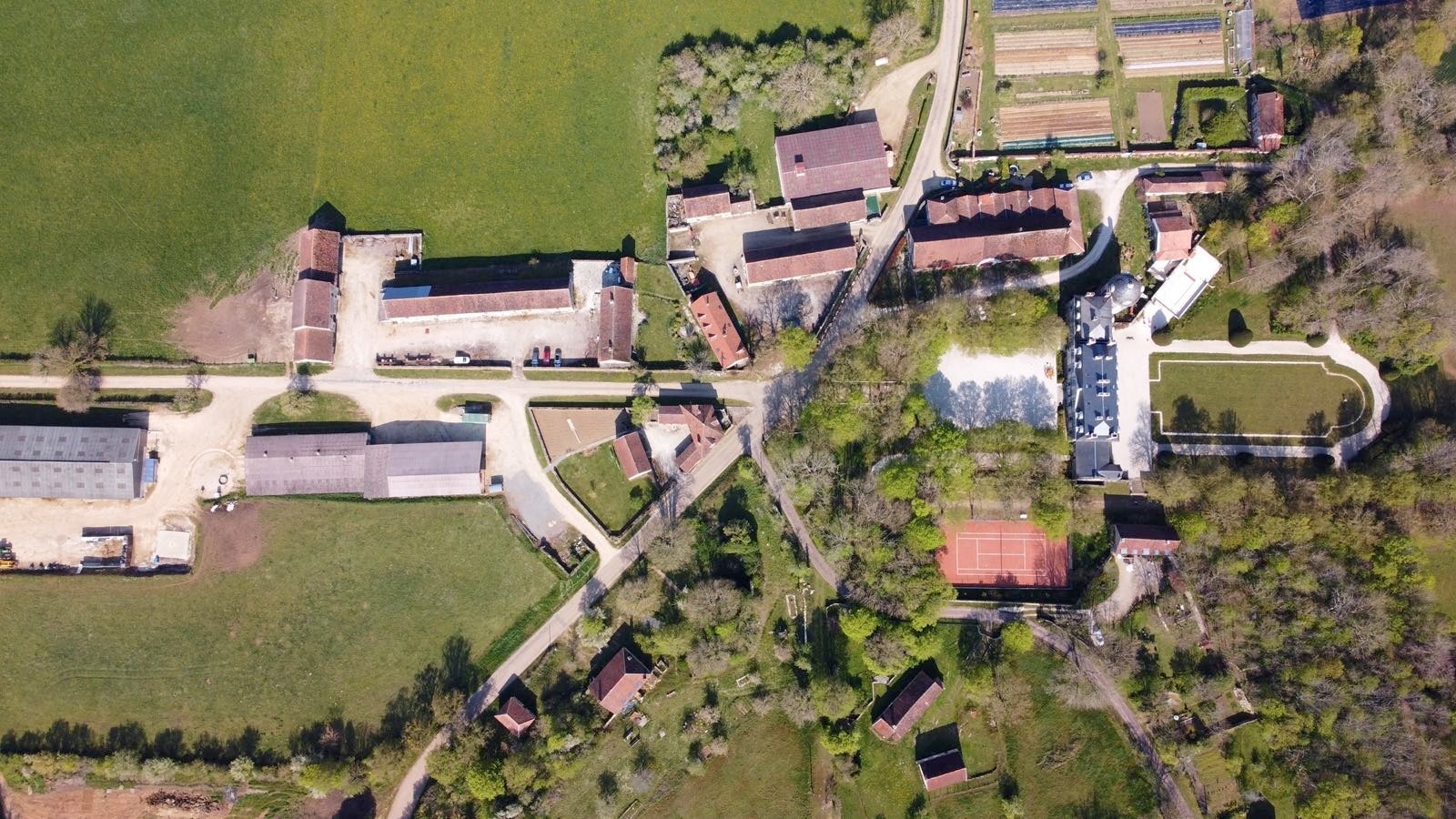
Based on a very simple, traditional layout inspired by the Potager du Roi in Versailles (La Quintinie), the vegetable plots are arranged in four squares bordered by fruit trees and berry bushes, spread across a walled hectare. Watering is provided by cisterns and wells in the outbuildings to ensure regular and natural irrigation of the crops.
A new direction since 2018, led by Benoît Vrain. Vegetable baskets available by reservation